
ADHD in Children and Adults
At The Key Clinic, we support children, teens, and adults with ADHD, by tackling the underlying factors driving symptoms, WITHOUT the use of medications.

Our Natural Therapy Options
-
Abnormal levels of key nutrients directly impact brain chemistry, behaviour and mental health.
Some individuals may be unable to retain certain nutrients, while others may have difficulty excreting them. These biochemical predispositions can often run in families.
The Key Clinic works to correct any underlying biochemical imbalances using targeted nutrients to help restore a healthy balance.
-
BrightBeatz is The Key Clinic’s proprietary form of Auditory Integration Training (AIT). It involves listening to customised, modulated music in the comfort of your own home over a 10-day period, to help encourage calm.
Improvements may be seen during and immediately after the course. Some parents report improved emotional regulation, reduced hypersensitive hearing, and better language skills and processing.
-
Difficulty sitting still and concentrating may be due to retained primitive reflexes, caused by incomplete nervous system development in infancy (e.g., traumatic birth or missed milestones like crawling).
The six-month NeuroMature program helps integrate these reflexes through daily exercises, improving eye-tracking, focus, reading, writing, balance, coordination, self-confidence, and reducing anxiety.

Symptoms of ADHD

Symptoms of ADHD in Children
-
Getting your child to sleep at night
Getting ready for school on time
Listening to and carrying out instructions
Being organised
Forgetfulness
Sitting still or constantly fidgeting
Concentrating on one task and constantly changing tasks
Excessive physical movement or talking
Interrupting conversations or not waiting their turn
Little/no sense of danger
Anger or violent outbursts

Symptoms of ADHD in Adults
-
Organisation and time management
Following instructions
Focusing and completing tasks
Coping with stress
Feeling restless or impatient
Impulsiveness and risk-taking
Addictions
Issues with relationships or social interaction
Continuously losing or misplacing things
Mood swings and quick temper
FAQs
-
ADHD (Attention Deficit Hyperactivity Disorder) is a neurodevelopmental condition that affects focus, self-control, and behaviour. Symptoms are usually:
Inattentive – difficulty concentrating
Hyperactive/Impulsive – restlessness, acting without thinking
It’s not “bad behaviour” but a biological difference.
If you or your child has been receiving treatment, do not stop or suspend their treatment programme without consulting your doctor. Our approach is intended to complement any medical treatment, rather than replace it.
-
ADHD often shows in childhood (usually diagnosed before age 12) and can continue into adulthood.
Children: struggle to sit still, pay attention, or stay organised; may blurt out answers or have mood swings.
Adults: less obvious hyperactivity, but ongoing inattentiveness, poor organisation, impulsivity, or risk-taking.
Comorbidities: ADHD can occur alongside anxiety, depression, autism, or sleep problems.
Strengths: many people with ADHD show creativity, big-picture thinking, and strong drive.
-
Yes, ADHD is mainly genetic (about 70–80%), though factors like premature birth, low birth weight, or maternal substance use can play a role. It affects the brain’s Reticular Activating System (RAS), leading to under-stimulation. This can drive hyperactivity, impulsivity, risk-taking, or addiction as the brain seeks stimulation.
-
No, you do not need a diagnosis to participate in one of our therapies.
If you or your child has been receiving treatment, do not stop or suspend their treatment program without consulting their doctor. Our approach is intended to complement any medical treatment, rather than replace it.
-
Alongside traditional treatments like therapy and medication, we offer a drug-free, personalised approach. At The Key Clinic we assess underlying biochemical, neurodevelopmental, and auditory factors through tests and then provide tailored therapies to help restore balance and reduce ADHD symptoms.
BioMedical Nutrient Therapy - BioTransform
Abnormal levels of key nutrients directly impact brain chemistry, behaviour and mental health. Some individuals may be unable to retain certain nutrients, while others may have difficulty excreting them. These biochemical predispositions can often run in families.
The Key Clinic works to correct any underlying biochemical imbalances using targeted nutrients to help restore a healthy balance.
Our approach is based on Functional Medicine, Nutrition and Walsh Nutrient Therapy, to optimise health.
The process starts with assessment: questionnaire, consultation and lab tests.
We then make specific recommendations and support you/your child through a programme with monthly reviews to restore a healthy equilibrium.
This programme is drug-free (although it is important to not stop taking any medications, unless instructed to do so by your doctor) and involves dietary/lifestyle changes and targeted supplements.
Any supplements are prescribed following lab testing to certify that any doses above the RDA are required due to a deficiency.

ADHD and Auditory Integration Training - BrightBeatz
According to the famous French ENT Doctor, Guy Berard, it may be hard for a child to remain focused in the classroom and to concentrate on what is being said because of how they hear.
Dr Berard pointed out that if a child has hypersensitive hearing, they may be easily distracted by background noises in the classroom, which may be easier for others to tune out. He also identified potential ‘distortions’ across the hearing profile or dyslateral hearing, which can also make it difficult to tune in and listen to what is being said. He developed ‘AIT’ or auditory integration training to address these concerns.
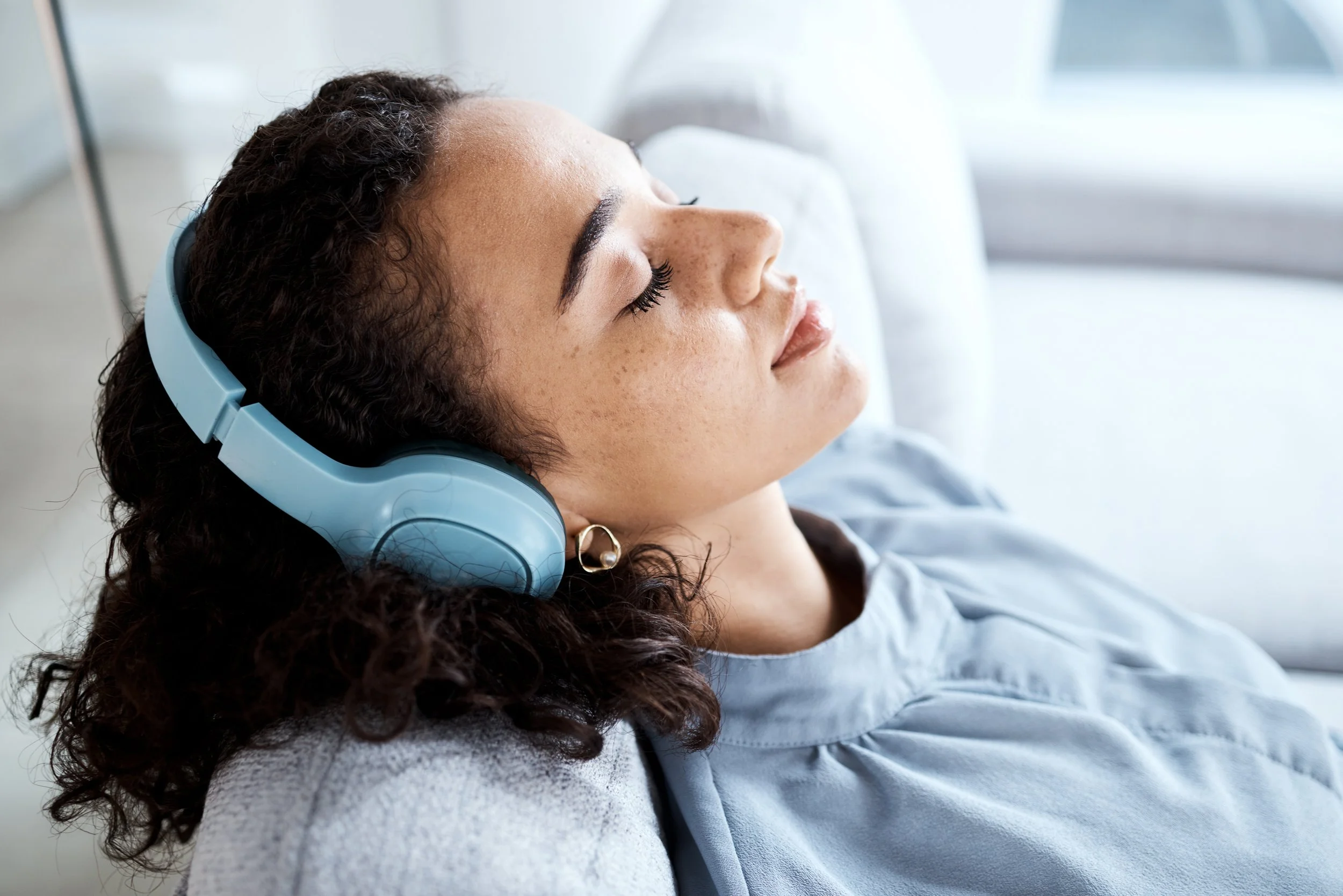
BrightBeatz is The Key Clinic’s proprietary form of Auditory Integration Training (AIT). It involves listening to customized, modulated music in the comfort of your own home over a 10-day period, to help encourage calm.
Improvements may be seen during and immediately after the course. Some parents report improved emotional regulation, reduced hypersensitive hearing, and better language skills and processing.
Child "I have been noticing changes in my hearing, how sounds aren't as sharp anymore like they used to be. I think doing the Auditory therapy has been helpful, two of the differences are: I am not getting as much headaches as well and when I am in noisy environments like at School, I don't feel as stressed and don't have to cover my ears very much either now."
Her mother "Since completing the auditory therapy, the difference in my 13 year old daughter has been incredible. Shortly after finishing with the 10 day course, she sat her Common Entrance exams and came out with an A* (she was predicted to fail). He was able to focus and not be distracted in exams and is overall less affected by sound and is happier."
Advice to other parents: "Brace yourself for their behaviour declining half way through but this is only temporary and will be followed by an extraordinary improvement. You won't regret it."
– Parent, August 2024

NeuroDevelopmental Training For ADHD - NeuroMature
Another reason that a child (or adult) may find it difficult to sit still and concentrate, could be due to retained primitive reflexes (ref. https://www.inpp.org.uk/publications)
Having retained primitive reflexes means that in the first year of life, the nervous system didn’t finish developing fully, which could result from various factors, such as traumatic birth or missing certain motor milestones, such as crawling.
While not always present in someone with ADHD, if the following primitive reflexes are retained, they may be making it even harder to concentrate:
ATNR Reflex
A retained ATNR reflex is linked to poorer reading, spelling and maths scores. This is because the ATNR interferes with smooth horizontal eye and hand-eye tracking, making the eyes ‘jump’ at the midline, so you lose your place. It’s hard to concentrate when this keeps happening!
STNR Reflex
A retained STNR reflex causes discomfort in the upright seated position, causing someone with this reflex to fidget or squirm in their chair constantly or just to get up. It also makes writing laborious and copying things from a board at the front of the classroom onto paper especially hard. The STNR causes difficulties with vertical eye and hand-eye tracking.
Spinal Galant reflex
A retained Spinal Galant reflex can make sitting still impossible, causing someone to wriggle and fidget continually, or, if asked to sit still, to make noise! Interestingly, this reflex is also a potential cause of ongoing bedwetting in some children.

The six-month NeuroMature programme is designed to integrate primitive reflexes that may be interfering with your child’s development. We guide you through a daily exercise routine to help improve functioning.
Parents have reported that our NeuroMature programmes can improve eye-tracking, focus, reading, writing, balance, coordination, and self-confidence, while also helping to reduce anxiety.
Studies show a clear link between retained primitive reflexes and ADD diagnosis.
2004 Taylor, Houghton and Chapman; University of Western Australia. Primitive reflexes and ADD: developmental origins of classroom dysfunction. International Journal of Special Education.
ADHD Testimonial
Theo Hall Shares his experience of the BioTransform Programme.
Supporting those with ADHD to thrive
✓
There are drug-free ways to help support those with ADHD or awaiting an ADHD diagnosis.
✓
The Key Clinic’s unique 360-degree approach helps identify imbalances that may be contributing to symptoms.
✓
By targeting underlying biochemical imbalances, we help optimise health and for more successful, happier, calmer lives.