The Key Clinic logo

Home

Programs

Who We Help

Learn

Client Login

Call Us: 020 7486 4462

The Key Clinic logo

Home

Programs

Who We Help

Learn

Client Login

Call Us: 020 7486 4462

The Key Clinic logo

Home

Programs

Who We Help

Learn

Client Login

Call Us: 020 7486 4462

News and Blog

Founder, Sarah Warley’s biology-led methodology, based on a decade of Key Clinic experience

Starting a New School Year: Understanding and Easing Back-to-School Anxiety

Discover practical ways to support children experiencing back-to-school anxiety and learn how The Key Clinic helps uncover and address the root causes of anxiety, building confidence and resilience for the school year ahead.

How To Support Neurodivergent Children During The Summer Holidays

For many families, the summer holidays are exciting, a break from school runs, packed lunches, and homework routines. But for neurodivergent children, long school holidays can also bring unexpected challenges.

What is NeuroMature?

According to the INPP (Institute of Neurodevelopmental Psychology), the retention of primitive reflexes can make many everyday tasks, such as reading and writing, extremely challenging and can also increase anxiety. For adults and children who still have these ‘immaturities’ in the system, nothing comes easily or naturally, and they have to work extremely hard to try to compensate for these difficulties.

What is BrightBeatz?

Most hearing tests only screen for hearing loss; they do not assess how someone hears. How we hear impacts our ability to process what is being said to us, develop speech, phase out background noises and focus.

What is BioTransform?

Everyone is ‘bio-individual’, requiring a fully customised approach to help them feel their best. Our highly experienced team of BioNutrient Therapists help raise health.

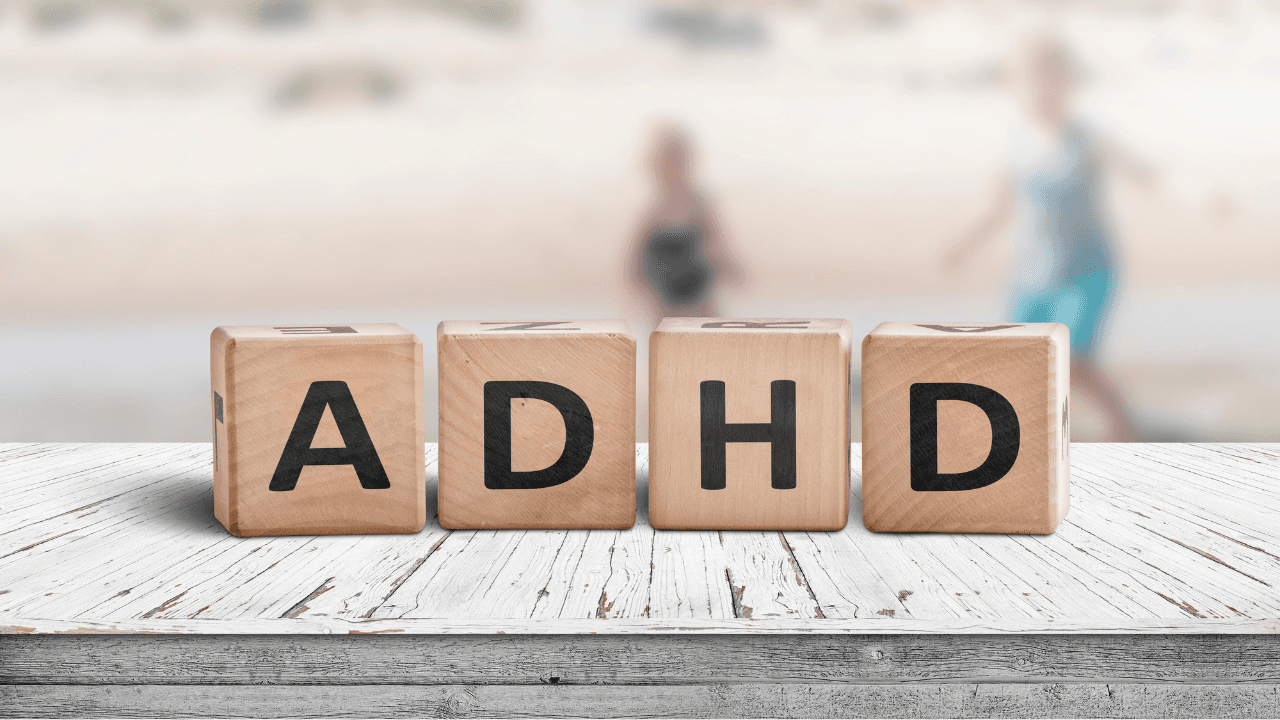
The Key Clinic’s Guide to ADHD: Drug-Free Support for Children and Adults

People with ADHD aren’t lazy or disobedient - their brain is wired differently. The part of the brain that controls focus and impulse is under-stimulated, so it goes looking for stimulation in other ways (e.g. movement, risk-taking, talking a lot).

Nutritious Christmas recipes and the health benefits of key ingredients!

The festive season is here, and we love to celebrate with delicious recipes that bring warmth, flavour, and a touch of nutrition to our table. This Christmas, Lilly Waugh, one of our biomedical practitioners is sharing two of her go-to Christmas recipes - a sweet and fragrant Healthy Gingerbread and a savoury Spiced Halloumi, Swiss Chard & Squash Filo Wreath.

A family's transformative journey with The Key Clinic

We turned to The Key Clinic when traditional routes had long wait times, and we needed immediate help for our daughters. The clinic’s thorough assessments and personalised programs addressed foundational issues like retained reflexes and nutritional deficiencies. The results were remarkable: our eldest became more confident and socially engaged, while our youngest saw significant improvements in her reading and emotional resilience. The Key Clinic didn’t just offer temporary solutions; they provided a path to lasting, life-changing results for our entire family.

5 key insights on autism and language development

Understanding how language develops in autistic children has taken a significant leap forward with Neuroscience News latest groundbreaking study involving over 31,000 participants. Here are five key insights from this research that can help us better support autistic children.

How does deep breathing enhance the nervous system?

Deep breathing can improve mental health in many ways. Practicing deep breathing exercises stimulates the vagus nerve, activating the parasympathetic nervous system, which reduces heart rate and lowers blood pressure. This enhances the body's relaxation response, easing stress and fostering a sense of safety and connection. Read more.

What E numbers may be affecting ADHD?

While the exact causes of ADHD are complex and multifaceted, research suggests that certain dietary factors, including food additives, might influence ADHD symptoms in some individuals. In particular, some E numbers, the codes assigned to food additives in the European Union, have been implicated in exacerbating ADHD symptoms.

How can I scientifically improve sleep quality to feel better?

Sleep is another essential pillar because of its impact on the structure and function of the brain. It is well understood that sufficient sleep is a necessity when maintaining a healthy lifestyle, but did you know that the magnitude of our neuroplasticity, cognitive functioning, learning, and memory is partially dependent on the quality and quantity of sleep?

Ways to stimulate the vagus nerve – for happier, healthier, calmer children

In an era where children's mental and physical health has taken center stage, understanding the role of the vagus nerve, or the tenth cranial nerve, becomes paramount. As a crucial component of the parasympathetic nervous system, it influences vital functions such as mood, immune response, digestion, and heart rate.

Why it's important to understand the need to feel safe for children with heightened emotional dysregulation

Emerging neuroscientific research underscores the pivotal role of understanding the 'body-brain' connection in children's emotional regulation. This blog delves into the essence of co-regulation and the importance of recognising emotional dysregulation as a signal of deeper needs. Through the lens of Dr. Delahooke's work and our clinic's comprehensive strategies, we explore innovative ways to support children in navigating their emotional landscapes.

Embracing individual differences and unlocking potential

This week we enter into Neurodiversity Awareness Week - a global initiative created by Siena Castellon, that challenges stereotypes and misconceptions surrounding neurological differences. This week serves as a reminder to embrace and celebrate the unique talents and perspectives of neurodivergent individuals while fostering an inclusive culture of acceptance and understanding.

Unlocking neuroplasticity through nutrition– feed your brain

Ways to build good habits, break bad ones and the neural mechanisms that underlie habit formation. These methods can be incorporated into developing good eating habits and ways to encourage healthier eating within your family. The brain’s propensity for neuroplasticity is heavily influenced by our diet and there are certain foods and diets that enhance brain function and encourage neuroplasticity.

The science of breaking bad habits and cultivating good ones

Did you know that 70% of our waking behaviour is made up of habitual behaviour? This means that everything we do on a daily basis from brushing our teeth first thing in the morning to scrolling on our phone last thing at night is a learnt habit. But what exactly are habits? How do we form them and is there a way to break bad ones? This blog will offer ways to form new, desired habits to encourage a bad-habit-free atmosphere in your home.

Transforming Henry's World with Neurodevelopmental Therapies

Henry's journey with The Key Clinic has been a transformative experience, marked by significant milestones and profound improvements in his neurodevelopmental and auditory capabilities. Following the completion of his final neuro assessment and a course of auditory therapy in April '23, the changes in Henry have been nothing short of remarkable.

Watch: 'Understanding Neurodiversity' talk series – First episode on Autism

The series celebrates the vast diversity of brain functions and aims to deepen our understanding of various neurodiverse conditions. The first episode, focusing on Autism/ASD, is set to dispel myths and highlight the unique strengths and challenges faced by individuals, led by Sarah Warley, the founder of The Key Clinic, and Dr. Alexander Davidson.

The role of nutrition in optimising cognitive function

There is a a significant connection between our diet, gut microbiome, and mental well-being. The brain-gut axis serves as a two-way communication channel, where gut health directly influences mood and cognition. Imbalances in gut bacteria, known as gut-dysbiosis, are linked to neurological conditions and mood disorders. Common dietary culprits like sugar, gluten, and dairy can trigger gut inflammation and dysbiosis, further impacting mental health.


The 12 Days of Christmas: Boosting the Vagus Nerve

12 ways in which to boost your Vagus Nerve - so you and your family can - to the best of their ability rest, digest and relax at Christmas! (A period of time which we know can be stressful and exacerbated by more sugar, screens and other tensions.

black iphone 7 plus beside white and black apple tv remote
Protect your hearing with the iPhone's Hearing Accessibility Feature

After completing auditory therapy (BrightBeatz) at The Key Clinic, we advise maintaining the fine-tuned hearing ability. Everyday factors like loud noises, ear infections, and earbud use can impact hearing. For children who enjoy gaming and music, we recommend volume-limiting headphones, which emit sounds only up to 85db. Regular headphones can reach up to 115db. Setting limits and taking breaks from headphone use are also crucial for protecting hearing.

Decoding Pyrrole Disorder and Its Impact

This blog incorporates the specific impact of Pyrrole Disorder on vitamin B6, magnesium, and zinc absorption, underlining the necessity of a comprehensive diagnostic and therapeutic approach in the context of biochemistry and stress-related conditions.

An easy guide to understanding Epigenetics

Have you ever wondered why identical twins, with the exact same DNA, can have different personalities, tastes, and even health conditions? Or why certain illnesses run in families, but aren't directly linked to our DNA? The answer lies in a fascinating field of science called epigenetics. In this blog, we'll explore epigenetics in a way that's easy to understand for both adults and children. Let's embark on a journey to unlock the secrets of our genes!

Ways to avoid screen time over Christmas!

Excessive screen time has been linked to ocular strain and fatigue. Implementing the '20-20-20 rule' is a scientifically-supported method to mitigate these effects. Here we offer ways to encourage less screen time over Christmas for yourselves and your children!

Understanding ear infections: a comprehensive guide

Ear infections are common ailments, particularly in children. While there are various causes of ear infections, a complete understanding involves considering both biomedical factors and a neurodevelopmental perspective. Let's dive into the intricacies of ear infections and the role of certain structures like the Eustachian tube.

Are primitive reflexes hindering your sport performance?

Persistence of the ATNR into childhood and adolescence may indicate potential motor challenges. For a child engaged in various sporting activities, this could pose great difficulties and hinder their performance in the following ways…

Screen time strain: Discovering the antidote with 'Lazy 8' exercises

In our digital world, it's all too common to find ourselves glued to screens for prolonged periods, subjecting our eyes to considerable strain. What if we told you there's a simple, effective tool that can provide much-needed relief and also stimulate different regions of your brain?

You might be wondering if you have burnout?

Burnout is a common threat that is rapidly increasing throughout the workplace. Reaching epic proportions in many industrialised countries, the effects of running businesses, working in corporations, or even working long hours has profound effects on our bodies.

Dark chocolate delights: unmasking the health benefits for a spooktacular Halloween!

If you’re sharing dark chocolate treats this Halloween, think about keeping some for yourself! Dark chocolate is often criticised for its fat content, sugar levels and e-numbers, however, it is also applauded for its tremendous health benefits, which when consumed in moderate amounts, have a great impact.

Methylation imbalance and how it impacts everyday life for children and adults

If you or your child experiences low mood and anxiety or presents with Obsessive Compulsive Disorder or Autistic traits, there may be a methylation imbalance. This root biochemical cause of difficulties is commonly overlooked, yet addressing it can help you or your child to thrive.

Understanding What Causes Motion Sickness

Motion sickness is a complex phenomenon that has long perplexed scientists and individuals alike. The emerging connections between motion sickness, low zinc levels and retained TLR activation offer exciting prospects for deeper insights into its causes and potential remedies. As researchers continue to unravel these intricate relationships, we are on the brink of a new era in understanding and addressing motion sickness, making travel and adventure more enjoyable for everyone.

The power of neuroplasticity and creating optimum brain development

The brain has an incredible ability to change, reorganise and grow new neural networks in response to new experiences or learning: this is what is meant by neuroplasticity. This fascinating process can happen at any age and informs our NeuroMature Programmes, which create new neural pathways in the brain by maturing the nervous system.

3 books to help understand the autistic experience

As parents of children on the autism spectrum, it can often be difficult to navigate the immense amount of books, information, and resources out there. This post is intended to give you a head start in finding the right books that best match the needs of your family.

Decoding bedwetting

At The Key Clinic, we adopt a multi-disciplinary, holistic approach, focusing on the root causes of diagnoses and challenges faced by children and adults. A significant concern we frequently address is bedwetting in children over the age of 6, which is prevalent in 1% of teenagers.

Neurodevelopmental approach to improving function with ADHD

Primitive reflexes are innate in every baby when it is born. They are responsible for causing stereotype responses to specific stimuli that are hardwired into the brain from birth. They are there to protect the baby in the first few vulnerable months of life, to defend the baby and seek for its own needs. Well recognised examples of primitive reflexes would be the rooting reflex for example, which is a response to stimuli on the face, encouraging a baby to turn its head and open the mouth, rooting or searching for the breast or bottle.

Understanding and managing anxiety: a gender perspective

Anxiety is a normal human emotion, but its management is crucial, especially for women who may face unique challenges. Understanding the gender-specific aspects of anxiety and adopting effective strategies, including self-care and seeking professional help when needed, can lead to better mental health outcomes.

Ffion's Journey - Lasting Transformation through The Key Clinic’s Interventions

One of our most compelling case studies that underscores the long-term impact of our interventions revolves around Ffion, who came to us when life’s simplest tasks seemed insurmountable for her.

Besides the five senses

We think of ourselves as only having five senses: sight, taste, hearing, smell, touch. However, there are other, underlying ‘foundation senses’ which have a huge impact on our ability to navigate the world and to function well.

Sarah Warley chats ASMR, on 104 Dublin radio station

Joining her in conversation is Louise Tighe, where they unravel the intricacies of this sensory phenomenon. You can immerse yourself in the captivating 10-minute segment by clicking here.

Improving Function for Individuals with ADHD: Drug-free

Although many people have heard of ADHD, the condition is often misunderstood and symptoms vary between children and adults, males and females, and can make you feel misunderstood.

Is Crawling an important stage in development?

Many studies and experts in the past have advocated crawling as one of the most important milestones for a child’s motor and cognitive development. In our field of work, it is impossible to ignore the correlation between those children who have skipped the crawling stage and gone on to have learning difficulties.

Top Tips: Supplement Success for children

Before you begin giving your child supplements, ensure that they can follow instructions and comfortably handle chunky textured foods (e.g. oatmeal or chunky applesauce) without gagging or choking. Also, make sure they can swallow liquids without spilling or coughing. If this is ok, they should be ready to learn pill swallowing.

Sarah Warley addressed call-in questions about dyslexia on ‘This Morning’ ITV

If you missed the recent live episode of #ThisMorning, (06/07/23) here's a transcript of the insightful conversation between our founder Sarah Warley and the callers discussing dyslexia.

Unlocking the Power of Breathing and Tips for Children

Did you know that breathing has a profound impact on our brains? It's all about brain science! When we take deep breaths, we activate the parasympathetic nervous system, enabling us to tap into the logical thinking parts of our brains, stay calm, and effectively solve problems. And that's exactly what we want our kids to do when they experience tantrums.

Early Development: how pregnancy and birth factors impact Reflex and Speech/Language Development

From the moment of conception, a child's development is a complex and intricate process that can be influenced by various factors. Research shows that factors during pregnancy and birth can significantly impact a child's later development. In this article, we will discuss some of the key findings related to reflex development and speech and language development.

“I am but no saint!” Hot tips for supplement taking and healthier meals

We spoke to a mum who's been through our programme and we asked her for her hot tips on how she manages to incorporate healthier meals and supplements into her family's diet.

Sarah Warley on ‘This Morning’ discussing dyslexia

On Thursday's episode of This Morning, our founder Sarah Warley joined Holly Willoughby and Phillip Schofield to discuss the clinic's innovative approach to treating dyslexia. The segment provided valuable insights into the personalised techniques we use at The Key Clinic to help individuals with dyslexia overcome their challenges and unlock their full potential.

Full Moon, Insomnia and Magnesium

Did you catch the item on the news the other day about the full moon and disrupted sleep? Did you know that magnesium deficiency could be linked to poor sleep? Magnesium is an essential mineral that helps relax your muscles and nerves, and is commonly linked to reduced fatigue and tiredness.

The Key Clinic on Virgin Radio with Chris Evans

Our Founder Sarah Warley was at Virgin Radio yesterday to sit down with Chris Evans and discuss our multiple cutting-edge therapies to help children and adults achieve their full potential. Sarah told Chris: “What we spend our time doing is trying to figure out what the root causes of difficulties are, rather than getting too hung up on the diagnosis and the label. “For different people, there are different root causes. You can have three kids with anxiety or three adults with anxiety and three very different causes.

A Bright Approach To Mental Health

Mental health problems are not ‘all in the mind’ but tend to originate in the body.

A Brighter Approach To Women's Health

Women’s health is sadly an area of ongoing gender discrimination. The majority of medicines being prescribed, treatment protocols being recommended and even health tips being given are based on testing outcomes for men.

Biochemical Individuality

The unique nutritional needs each person has, based on their genetics, lifestyle, and environmental exposure to various stresses.

BrightBeatz(™)

Is a global first. Based on the results of an objective hearing test, it delivers AIT specifically tailored to your particular hearing profile, directly targeting individual hearing distortions causing difficulties, while encouraging balanced laterality.

Depression In Women

High-Copper Depression Data Base Findings Solved by Epigenetic Science!

Epigenetics

The study of changes in organisms caused by modification of gene expression rather than alteration of the genetic code itself.

Gut/Brain Axis Research

Studies which show the effects of Gluten and Dairy on Behaviour

Proactive Medicine

At The Key Clinic, we start with intelligent health decoding - using biochemical markers to analyse effects of lifestyle - stress, sleep, nutrition, exercise, genetics on one’s well being.

Pyrrole Disorder

A condition caused by stress that depletes the body of certain vitamins and minerals before they are able to be absorbed. In short, there are three main nutrients that are not properly absorbed in the pyroluric sufferer: vitamin B6. magnesium. zinc.

The Key Clinic Approach to Building Physical Health Resilience

Instead of ‘fire-fighting’ symptoms when they become acute with drugs, we believe it is smarter to try to identify and treat the underlying causes that led to the symptoms in the first place.

Walsh Nutrient Therapy

The Walsh Institute in the US have carried out ground-breaking research over the past 30 years, analysing differences in biochemistry in those with mental health problems to identify patterns. As a result, they have accrued the largest biochemical database on mental health anywhere in the world.

The benefits of singing

Music is our first language. When we are developing in the womb, we respond to external sounds through movement and become familiar with the sound of our mother’s voice. Every sound a baby responds to and makes is part of their language development. As children develop, nursery rhymes and songs are used to help them learn and memorise concepts (like the alphabet, for example).

The relationship between gut health and immunity

The relationship between gut health and immunity Did you know that what you eat has a bigger impact on your gut microbiome and its ability to protect you from viruses than anything else you do?* In fact, 70-80% of immune cells are present in the gut! It’s therefore vital to keep your gut in good shape to bolster your immune system. Healthy gut bacteria need specific essential raw materials and nutrients to survive, and those requirements come from eating a wide range of different foods. So how can you improve your family’s gut health, and therefore your immunity?

Top Tips for getting your child excited about Reading

Despite the importance of reading, many children (and adults!) can be reluctant to dive into a book. Children can feel the pressure of having to read, so showing them how much fun it can be will help them build a healthy appetite for reading and (hopefully) inspire a life-long love of books.

Is your child underachieving?

Underachieving is a serious issue. It can limit future prospects, university, jobs and self-confidence, so parents and teachers are strongly motivated to solve the problems. We see that despite best efforts, extra classes, repetitions and talking therapies don’t bring enough success. Our approach to helping children who are underachieving is different. We see that for a high proportion of children, the cause of underachievement can be easily identified and remedied. It lies in the reflex profile of the child.

Overcoming speech and language difficulties in children

More than 10% of all children and young people (1.4 million in the UK) have long-term speech, language and communication needs. We also know that many children who underperform at school have hearing distortions, which can lead to speech/language problems, difficulty reading, spelling and processing any auditory information. A pattern of hypersensitive hearing can also lead to distractibility.

The power of neuroplasticity and creating optimum brain development in children

The brain has an incredible ability to change, reorganise and grow new neural networks in response to new experiences or learning: this is what is meant by neuroplasticity. This fascinating process can happen at any age and informs our NeuroMature Programmes, which create new neural pathways in the brain by maturing the nervous system. This is particularly helpful for children who have learning difficulties, as the root cause is often what is known as retained primitive reflexes, which help the nervous system to develop in infancy.

Dialling up auditory processing and learning receptivity

In the final part of our series of talks with The Dukes Club, our Founder Sarah Warley speaks to Magoo Giles on the importance of dialling up auditory processing for those who are underperforming relative to their intelligence.

Improving Dyslexic Symptoms: A Plan for Parents

While dyslexia is now being more widely identified than it was for previous generations, the approaches for dealing with it are not keeping up with our latest understanding of neuroscience. As most of us are parents ourselves, we understand the frustration of having a diagnosis given to your child without any investigation or answers on the root causes of their symptoms. Swimming upstream to identify the underlying issues with reading and processing difficulties is what we are known for here at The Key Clinic.

Outdoor learning and why it’s important for children’s development

There are many different schools of thought when it comes to children’s development - medical, psychological, physical and educational. At The Key Clinic, our perspective is pretty simple - movement is key.

The Asymmetrical Tonic Neck Reflex and Learning Difficulties

Does your child struggle with handwriting? There is an often overlooked reason why: children that have difficulties with handwriting frequently have a retained Asymmetrical Tonic Reflex (ATNR).

Retained Primitive Reflexes: The Key Clinic's Ultimate Guide

At The Key Clinic, we investigate whether your child’s primitive reflexes have been retained and are causing difficulties in functioning. Neurodevelopmental programmes mature the nervous system by integrating ‘retained reflexes’ in children and adults that should have fulfilled their developmental role and disappeared long ago. Today we are answering the most common question that parents ask us: what are ‘retained reflexes’ and what do they do?

Autism

Everything you need to know about autism: causes, symptoms, effects and facts. Get involved.

5 key takeaways from our episode on The Liz Earle Wellbeing Show

The work at The Key Clinic is so life-changing for so many. They get amazing results, I wish more people were aware of this!” – Liz Earle MBE. If you’re a fan of Liz Earle’s podcast The Liz Earle Wellbeing Show, then you may have noticed that this week’s episode features…us!

A Guide to The Zones of Regulation

The Zones of Regulation help children manage their emotions in an easy and practical way. Many children struggle with emotional regulation, which can have an impact on their daily lives. The Zones of Regulation is a cognitive-behavioural method created by Leah Kuhpers, M.A. ED, OTR/L. It helps children and young people learn how to recognise and regulate their emotions every day.

A new approach to addressing children’s mental health: Focus on gut health

A new approach to addressing children’s mental health: Focus on gut health. Walsh Nutrient Therapy is highly effective for working with mental health. Walsh also identifies five distinct biotypes of depression, rather than one, each with a different biochemistry, requiring different treatment. This is why the ‘one size fits all’ approach of SSRI antidepressants does not work for everyone.

Watch: Senior School Transition

Our Founder Sarah Warley spoke at The Independent Schools Show last month with Dr Guy Schady-Beckett on how to prepare for the intense competition at 11+.

Coping with Seasonal Affective Disorder (SAD)

Coping with Seasonal Affective Disorder (SAD) Now that the clocks have gone back and the number of hours of sunlight decreases, 2 million people in the UK alone will begin to experience ‘winter blues’ – also known as Seasonal Affective Disorder (SAD).

Watch: Tackling hyperactivity and building mental health wellness in children

Watch: Tackling hyperactivity and building mental health wellness in children. In this video below, you will hear from our founder, Sarah Warley, our Medical Supervisor, Dr Miriam Mikicki, plus The Dukes Club Founder Magoo Giles.

Case Study: Bertie - Learning and behavioural problems can be improved

Case Study: Bertie - Learning and behavioural problems can be improved

Case Study: Improving low concentration and distractibility with BrightBeatz Auditory Therapy

Case Study: Improving low concentration and distractability with Key Auditory Therapy

How To Support Your Child’s Immunity This Winter

How To Support Your Child’s Immunity This Winter After a wonderfully hot summer the days are becoming shorter and winter is on the horizon. During this time many of us can fall prey to the common cold or flu. There are however many things you can do to support your child’s immunity ahead of the winter months.

How to support your child if they have learning difficulties

As school begins again in the next few weeks, it can bring challenges for all children, let alone for those with learning difficulties. Even if your child has been coping well enough at school up until now, learning difficulties such as dyslexia, dyspraxia, speech and language difficulties can become more apparent or intense when pressure or workload increases.

The Key Clinic comes to Edinburgh

The Key Clinic comes to Edinburgh We're delighted to announce that we have expanded to the beautiful city of Edinburgh. We will be offering the same range of game-changing therapies that we always have - from neurodevelopmental therapy, to auditory training and biomedical nutrient therapy.

Discussing Dyslexia on BBC Radio Essex

Discussing Dyslexia on BBC Radio Essex at The Key Clinic Earlier this month The Key Clinic founder Sarah Warley was interviewed about dyslexia on BBC Radio Essex. Dyslexia is a hot topic in the press at the moment - entrepreneur Richard Branson recently described his dyslexia as a ‘superpower’ and attributed it to his career success. Nick Jones, the founder of Soho House Group also told the Diary of a CEO podcast that he was grateful he had been diagnosed with dyslexia at an early age.

How the Asymmetrical Tonic Neck Reflex affects handwriting and learning

How the Asymmetrical Tonic Neck Reflex affects handwriting and learning

We speak at the UK's biggest student neuroscience conference

We speak at the UK's biggest student neuroscience conference. The Key Clinic founder Sarah Warley spoke at the UK's biggest student neuroscience conference in association with Imperial College. Sarah discussed The Key Clinic's unique approach to working with ADHD, dyslexia, anxiety, learning difficulties and more:

Helping anxiety in children

Helping anxiety in children. There are numerous things causing children to worry today - from the war in Ukraine, Covid, social media pressure, exam pressure, future job prospects, climate change, to name but a few. It’s important for us to do our best to discuss these anxieties with our children, helping them to put any risk to them into context.

Tackling hyperactivity

Tackling hyperactivity. Does your child have ADHD? It's one of the most common neurodevelopmental disorders experienced by children, and the numbers being diagnosed are increasing every year.

Supporting learning difficulties and activating learning potential

We recently had the pleasure of working with 17 year old Ffion, who sent us the below to describe the incredible changes she experienced whilst working with us:

ADHD Awareness Month: ADHD Q&A

ADHD Awareness Month: ADHD Q&A. As we continue to mark ADHD Awareness Month this October, we are thrilled to publish this in-depth Q&A with The Key Clinic's Founder, Sarah Warley.

ADHD Awareness Month: Case Study

ADHD Awareness Month: Case Study

Watch: Making sure your child is neurodevelopmentally mature enough for school

As part of our three part series of talks with The Dukes Club, our Founder Sarah Warley sat down with Magoo Giles to discuss the topic of making sure your child is neurodevelopmentally mature enough for school.

ADHD Awareness Month

A diagnosis of ADHD covers a wide range of symptoms, from difficulty focussing and staying on task through to hyperactivity, impulsivity, disruptive behaviours, anger and violent outbursts - all of which are beyond conscious control.

The Impact Of A Retained Moro Reflex

Primitive reflexes are innate movement patterns that emerge in utero which help babies during the birth process as well as assist them in familiarising themselves to their new environment post birth.

World Suicide Prevention Day: How to spot and support a young person with suicidal thoughts

Many parents I work with worry about their child’s increasing level of anxiety, sometimes before an upcoming test, or exam. Or perhaps an increase in anxiety due to friendships, or social media posting or self-image and appearance. These feelings of anxiety and low mood can sometimes trigger suicidal thoughts. But how do you pick up on the tell-tale signs and support a young person who is struggling this much?

Chris Evans Hails The Key Clinic's "Miracle" Child Therapies

Our game-changing approach to unlocking children’s true potential has changed the life of Evans’s son. We specialise in helping children overcome learning and behavioural difficulties through tailor-made therapy programmes tackling underlying causes, has successfully helped Evans’ seven-year-old son, Eli.

The Key Clinic logo

Who we help

Dyspraxia

Dyscalculia

Dyslexia

Autism

ADHD

Mental Health Support

Discover who we help

Programs

Neuromature

Brightbeatz

Biotransform

Learn

Results & Testimonials

News & Blog

In the Media

Research

About

Media

Explore

Clinical Pathways

Results and Testimonials

Contact

Call us: 02074864462

The Key Clinic © 2026

Built by Goodspeed

Privacy Policy

Cookies

Terms

Exclusions

The Key Clinic logo

Who we help

Dyspraxia

Dyscalculia

Dyslexia

Autism

ADHD

Mental Health Support

Discover who we help

Programs

Neuromature

Brightbeatz

Biotransform

Learn

Results & Testimonials

News & Blog

In the Media

Research

About

Media

Explore

Clinical Pathways

Results and Testimonials

Contact

Call us: 02074864462

The Key Clinic © 2026

Built by Goodspeed

Privacy Policy

Cookies

Terms

Exclusions

The Key Clinic logo

Who we help

Dyspraxia

Dyscalculia

Dyslexia

Autism

ADHD

Mental Health Support

Discover who we help

Programs

Neuromature

Brightbeatz

Biotransform

Learn

Results & Testimonials

News & Blog

In the Media

Research

About

Media

Explore

Clinical Pathways

Results and Testimonials

Contact

Call us: 02074864462

The Key Clinic © 2026

Built by Goodspeed

Privacy Policy

Cookies

Terms

Exclusions